Subfloor Ventilation in Albury-Wodonga
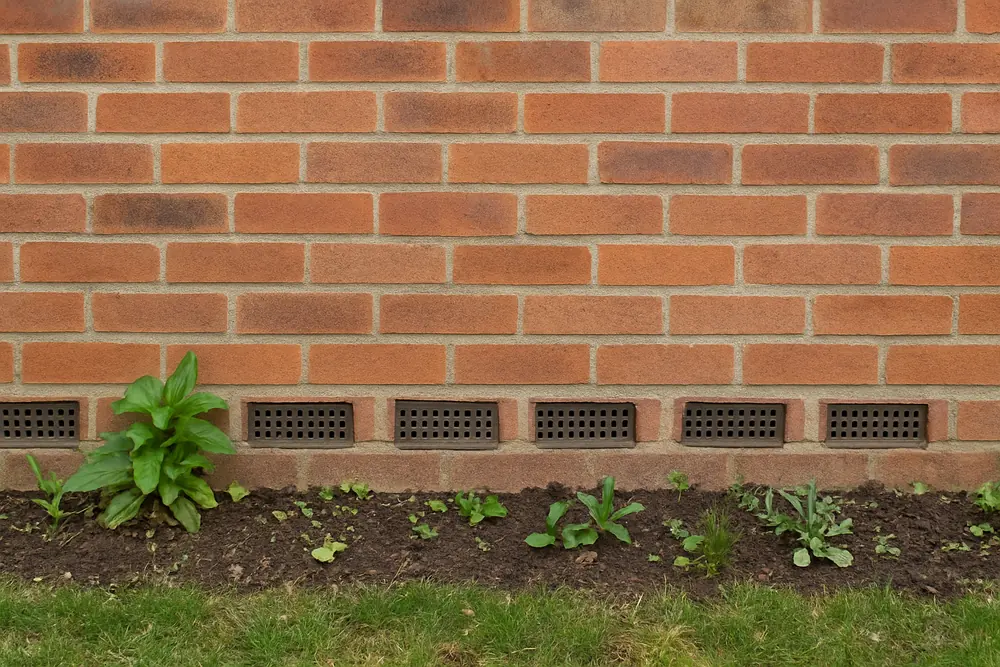
Three things decide how a subfloor job in Albury-Wodonga goes before any vent is cut: which side of the Murray the house is on, what the ground under the floor does after rain, and what the code already asks of the space. The National Construction Code says a subfloor space must have openings in its external walls and internal subfloor walls and clearance above the ground; where the ground is excessively damp or floods often, it asks for more.
Thanks — we have your enquiry. Someone will be in touch shortly. Prefer to talk now? Call (02) 9072 0403.
What subfloor ventilation in Albury-Wodonga actually involves
The Australian Building Codes Board's Part 6.2 says subfloor spaces must be “provided with openings in external walls and internal subfloor walls in accordance with Table 6.2.1a for the climatic zones given in Figure 6.2.1a” (read 7 October 2026). The Board explains why: ground moisture entering the subfloor space “can create a damp environment which encourages timber rot, fungus growth and the potential for termite activity”, and subfloor ventilation increases air flow, reducing any damaging water vapour in the space. Which climatic zone Albury or Wodonga falls in is drawn on a map in the code, and no page we read states it, so this site gives no vent area and no vent count.
Two States, one clause
The Board lists NSW's adoption of NCC 2025 as 1 May 2027 and Victoria's as 1 May 2026, so on 7 October 2026 an Albury house sits under NCC 2022 and a Wodonga house under NCC 2025. We compared the two editions of Part 6.2 line by line and found the same words. The Board warns that some requirements apply at different times or not at all because of State variations; we did not read any variation to this clause, so we do not say there is none.
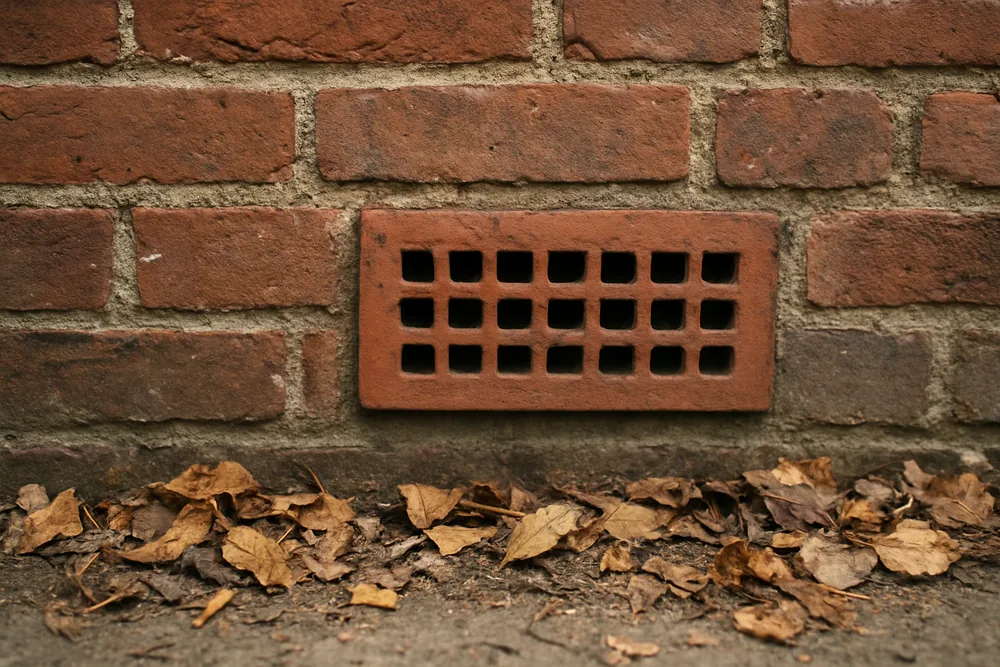
What the ground under the house does
Where the ground or subfloor space is excessively damp or subject to frequent flooding, the code adds a requirement to the openings and clearance. Its options include increasing the ventilation by 50 per cent or sealing the ground in the subfloor space with an impervious membrane; the sealed ground page sets that out. Both sides of the river have recorded flooding, and the damp ground page gives each council's own lines.
Winter is the season to ask about. On the Bureau of Meteorology's tables the mean 9 am relative humidity in July is 90 per cent at Albury Airport (readings 1993 to 2010) and 88 per cent at Wodonga (readings 1954 to 1967), against 53 and 48 per cent in January. The two stations and periods differ, so the figures are not a like-for-like comparison of the cities. The costs page lists every rule we read, side by side for NSW and Victoria.
Albury-Wodonga subfloor costs and rules check
Subfloor Ventilation in Albury-Wodonga — common questions
Does Albury or Wodonga use different subfloor rules?
The code's subfloor clause reads the same in the two editions we compared, but NSW is on NCC 2022 and Victoria on NCC 2025 according to the Australian Building Codes Board's adoption dates. We read no State variation to the clause.
How many vents does a house need?
The code sets openings per metre of wall by climatic zone, and no page we read says which zone Albury or Wodonga is in, so we give no number. Ask the provider which zone they used and why.
Does damp ground change what is needed?
Yes. Where the ground or subfloor space is excessively damp or subject to frequent flooding, the code adds a requirement, with options that include 50 per cent more ventilation or sealing the ground with an impervious membrane.
Subfloor Ventilation by suburb
- Albury
- Subfloor Ventilation in Wodonga
- Subfloor Ventilation in Lavington
- North Albury
- West Albury
- Subfloor Ventilation in South Albury
- Hamilton Valley
- Glenroy
- Springdale Heights
- Thurgoona
- Subfloor Ventilation in Baranduda
- Killara
- Leneva
Ready to get your subfloor ventilation job quoted?
Free quote, one local provider, no obligation.
Last reviewed · Updated · First published